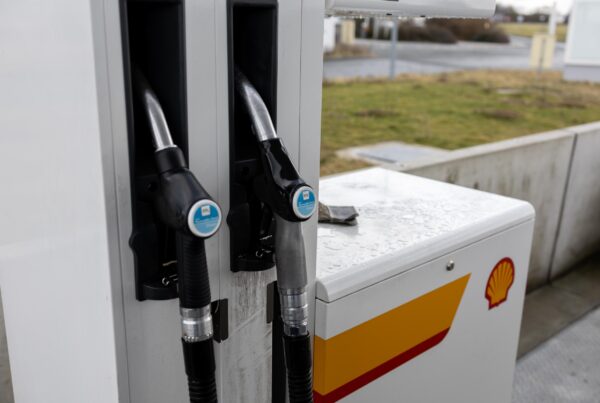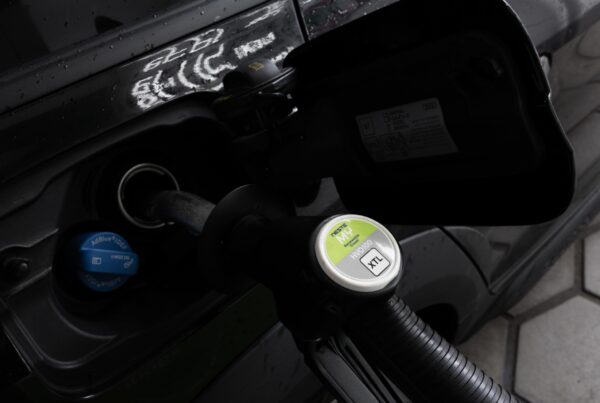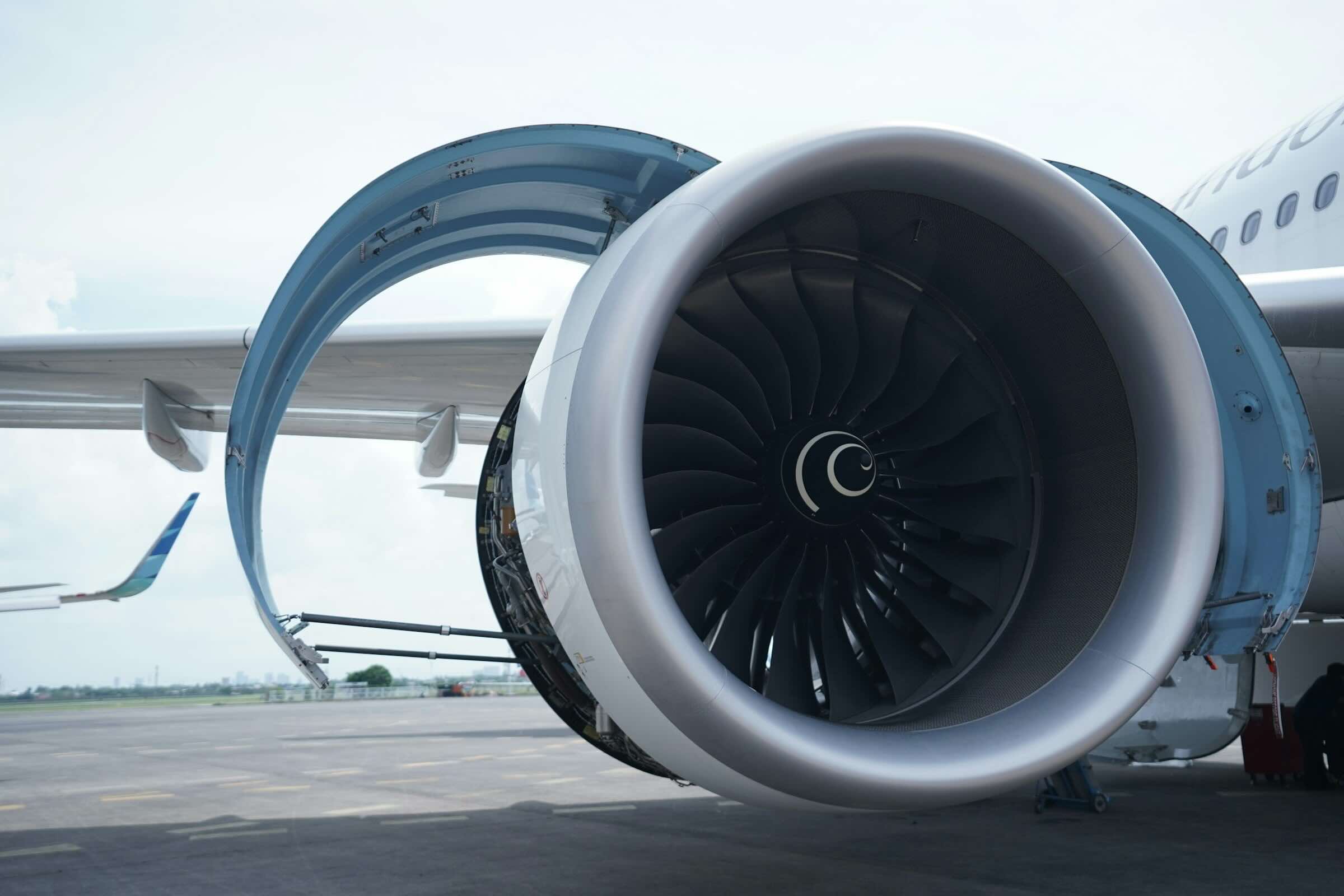
Topsoe and Preem have completed a successful co-processing run at the Gothenburg refinery, in which waste- and residue-based lipids were processed together with conventional refinery feedstocks in a single plant. The result: both renewable diesel (HVO) and SAF could be produced “in parallel” from existing infrastructure.
The key point is the scaling lever this creates. Instead of waiting solely for new standalone plants, co-processing demonstrates how existing hydrotreating units can be used for renewable fuels such as SAF and HVO. Topsoe points to its own HydroFlex technology, which allows biogenic feedstocks to be integrated without rebuilding the refinery from scratch.
For global scaling, however, renewable diesel and SAF need more than just new large-scale projects, ambitious investors and the right framework conditions. They also need pragmatic routes via existing infrastructure, clear specifications and fast implementation that isn’t held back by regulation. Steps like these can help bring available volumes to market sooner and drive the scaling of SAF and beyond!
Source: biofuels-news.com
Image: © Eka Rihandy – unsplash.com