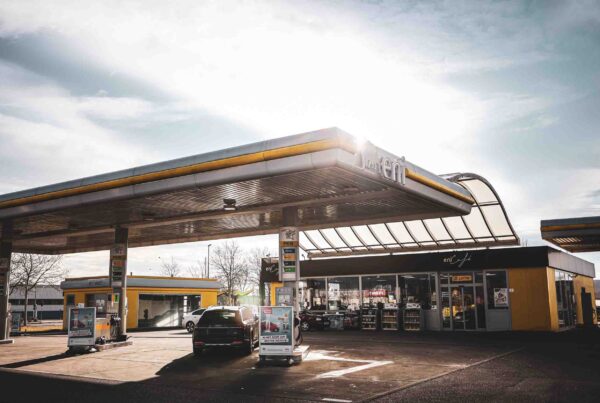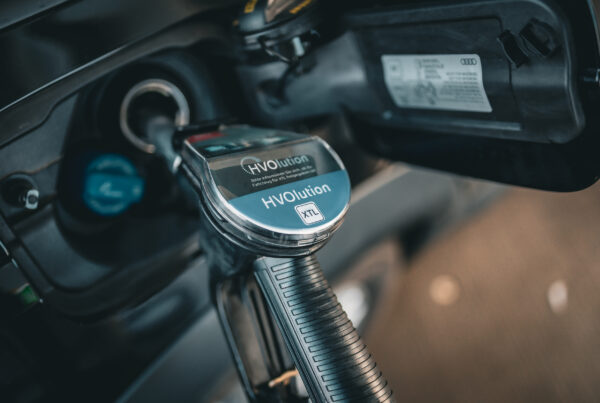
Neste and PetroCard Inc. are expanding their partnership for renewable diesel (HVO100) in the Pacific Northwest of the United States. Additional HVO fuelling options in Washington and Oregon are intended to give commercial fleets easier access to the fuel, which can be used immediately in existing diesel engines. For logistics, construction and municipal fleets this is a relevant factor, because emission reductions are not tied to replacing the vehicles first — Neste’s HVO fuel can be used directly in existing vehicles as a “drop-in” solution.
The focus is on Neste MY Renewable Diesel, which is supplied via the PetroCard network. According to the report, the fuel is based on waste and residue feedstocks, and according to manufacturer Neste’s website it can reduce life-cycle greenhouse gas emissions by up to 75 percent compared with fossil diesel, depending on raw materials and supply chain. For fleet operators in particular, this combination is decisive: keep using existing vehicles, but improve the CO₂e balance right away.
The infrastructure aspect is also interesting. The expansion is meant not only to create more locations, but also to shorten delivery routes and strengthen security of supply. PetroCard points to a significant increase in customer demand over the past year, driven by corporate sustainability targets and regulatory incentives. This means HVO is no longer positioned as a niche fuel in the region, but as a practical tool for existing diesel fleets. In the US, however, HVO already has a long-standing “tradition” as a blending component — but it is now increasingly found at filling stations as a neat fuel as well.
The news is also interesting for the European market: while electrification and hydrogen will play important roles in the long term, the expansion in Washington and Oregon shows how renewable liquid fuels can help decarbonise hard-to-electrify applications in the short term. What matters is less the individual filling station than the network behind it. Availability, short delivery routes and robust sustainability certification are what make HVO truly scalable for fleets and attractive for large-scale use in industry, logistics and other transport sectors.
Source: biofuels-news.com / neste.com
Image: © eFUEL-TODAY