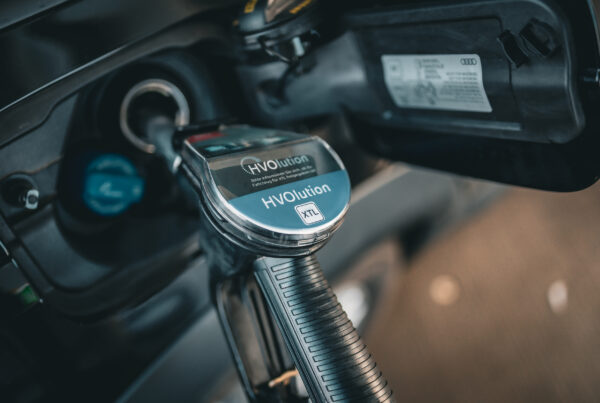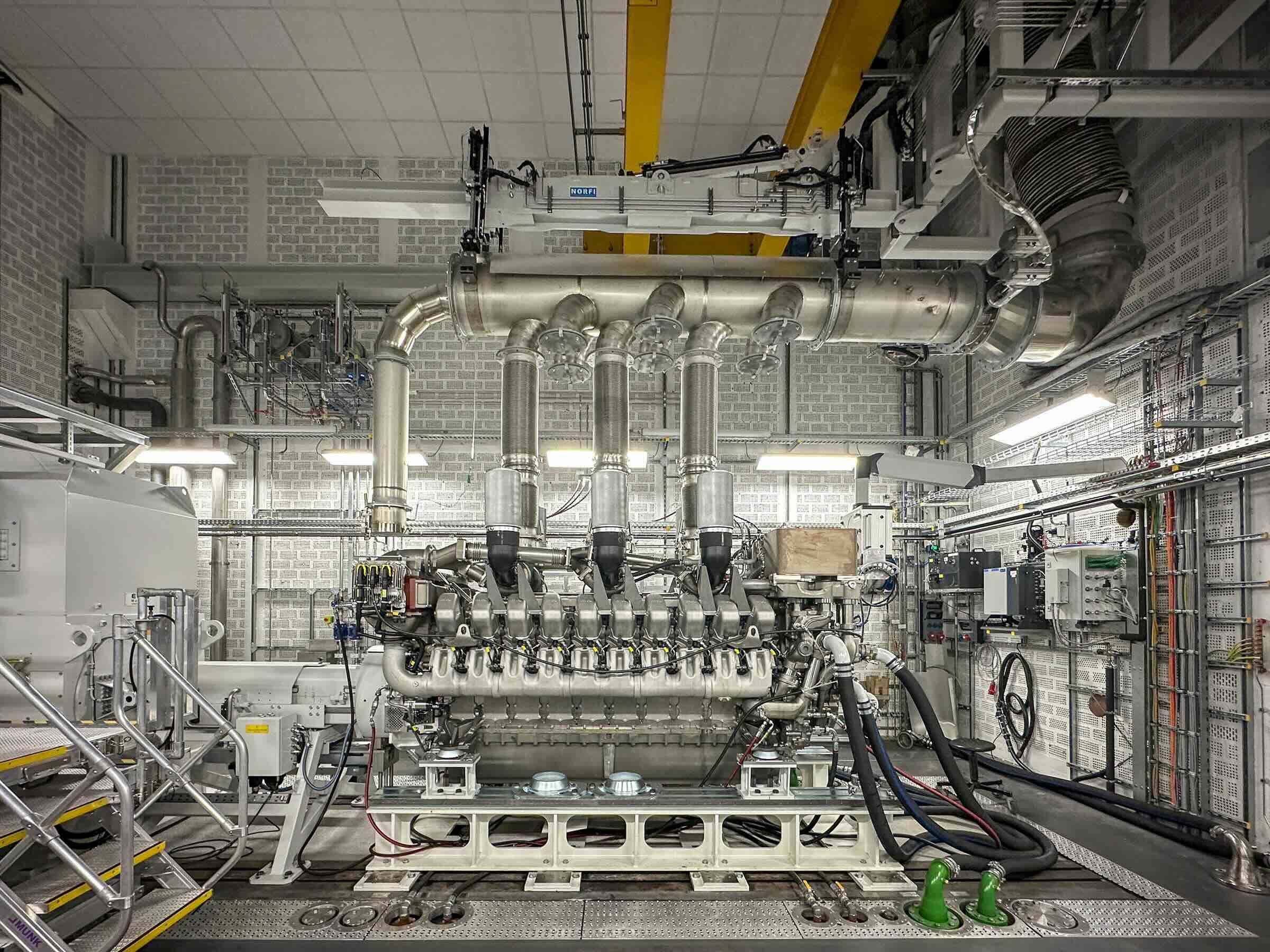
Rolls-Royce Power Systems is switching engine test benches at several sites to HVO (Hydrotreated Vegetable Oil). According to the company, this significantly reduces the CO₂ emissions from test runs, a clear signal that HVO is not only viable for vehicle fleets, but can also serve as a standard fuel in industrial development and testing environments.
Test facilities in Friedrichshafen, Augsburg and Ruhstorf are mentioned. The switch is expected to save around 3,200 tonnes of CO₂ per year, according to Rolls-Royce Power Systems. The company also cites positive effects on soot particles and NOx – which is particularly relevant because test environments often reflect long operating hours and full-load duty cycles.
For the market, this is an important signal: when an OEM-adjacent player uses HVO in its own development and validation infrastructure, it strengthens confidence in the fuel as a drop-in lever for existing applications. This is how scaling happens: through real operating data, repeatable processes, and consistent implementation in day-to-day operations.
Image: © www.mtu-solutions.com / www.rolls-royce.com